
 Skip to content


It’s Risk and Resilience Week at Mitie
From cybercrime to geopolitical conflict and climate activism, organisations face a huge range of risks that can negatively impact operations.
So, this week Mitie Intelligence Services are running ‘Risk and Resilience Week’ – raising awareness of threats and, crucially, the role everyone plays in keeping safe from them.
The week’s activities kick off today, so read on for a summary of the themes the team will be exploring …
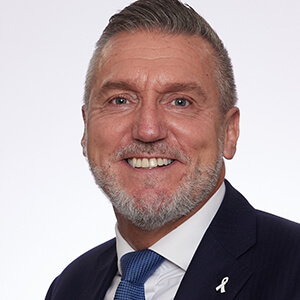
Day 1: Safeguarding
Paul Furnell, Director, Safeguarding & Safer Communities
“Think you’re safe from modern threats? Think again!”
Hybrid warfare isn’t just military - it’s cyber-attacks, disinformation, economic pressure and supply chain exploitation that slip past traditional security.
Safeguarding and personnel are critical lines of defence. People are not just potential targets of influence, coercion or misinformation – they are the sensors that spot early warning signs and the decision‑makers who shape outcomes.
Preparing smarter means investing in:
- Colleague awareness
- Clear reporting pathways
- Robust vetting
- Duty‑of‑care measures that recognise physical and psychological risk
Proactive safeguarding strengthens organisational resilience by reducing insider threats, protecting wellbeing and enabling personnel to operate confidently in uncertain environments. In a hybrid threat landscape, security isn’t just about systems and plans; it’s about empowering people to recognise risk early and act decisively.
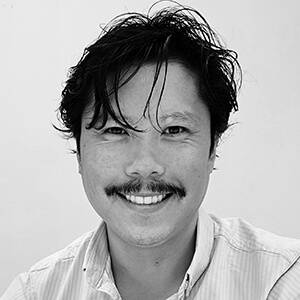
Day 2: Climate
Joey Hills, Director of Operations, Mitie Intelligence Services
“Think your crisis drills make you ready? Think again!”
With an average of 120+ climate‑related protests taking place in London each month, environmental and climate issues remain one of the primary drivers for UK activist activity. In the UK, around 17% of environmental protests result in arrests - nearly three times the global average for protests of this nature.
With a worsening fuel crisis, rising global temperatures and the US reversing climate change pledges, activists are likely to be more incentivised than ever. Intelligence is pivotal to identifying the capability, opportunity and intent of activist groups in order to protect people and assets, both domestically and overseas.
While scenario planning and tabletop exercises remain valuable, intelligence is essential to compensate for the gaps left by rehearsals. Anticipating risk through reliable, timely intelligence enables public and private organisations to plan effectively, mitigate disruption, and move towards a future focused risk and resilience model, rather than a purely reactive one.

Day 3: Crisis Readiness & Training
James Hatch, Director, Key Accounts
“Think training isn’t important? Think again!”
Over the past three to five years, organisations have taken a markedly different approach to crisis readiness. Resilience is increasingly the priority, ensuring they can continue operating during disruption and recover effectively.
Training is a core enabler of both risk management and organisational resilience. Our programmes are designed to strengthen resilience by embedding practical, real‑world capability across organisations. We move beyond theoretical frameworks, focusing on application and ensuring learners can apply risk and crisis strategies when it matters most.
A key part of this approach is equipping participants with structured templates, tools and frameworks that can be immediately deployed during course discussions and scenario‑based exercises.
By integrating practical solutions, our training supports individuals and organisations to not only manage risk more effectively, but to build a resilient culture.
Day 4: Geopolitics
Joey Hills, Director of Operations, Mitie Intelligence Services
“Think external shocks stay external? Think again!”
Global surveys show that geopolitical volatility has entered the top 10 business risks worldwide for the first time. In fact, 76% of senior executives cite geopolitical risk as their primary concern, driven by conflict, trade disruption and state‑aligned activism.
The conflict involving Iran illustrates how rapidly strategic instability cascades into international economic shock. Since February 2026, insecurity in the Strait of Hormuz, which typically carries around 20% of global oil supply and 20% of global liquified natural gas (LNG) trade, has driven Brent crude oil above USD 100 per barrel. Conflict‑driven energy shocks linked to the war in Ukraine contributed to electricity prices rising by over 90% between 2021 and 2023.
These external shocks do not remain outside organisational walls. Economic stress increasingly manifests as tactical security challenges, including:
- Protests linked to cost‑of‑living pressures
- Executive targeting
- Supply‑chain disruption
- Elevated travel risk
- Heightened cyber and espionage activity
Intelligence is critical at this interface, converting geopolitical and economic insight into actionable, real‑time decisions.

Day 5: Leadership
Emma Shaw, Managing Director, Mitie Intelligence Services
“Think your leadership culture can handle crisis? Think again!”
Few things undermine an organisation more quickly than a crisis in which roles, responsibilities and processes are unclear.
A useful way to assess whether it will hold under pressure is through the lens of SER: Strong, Effective and Resilient Leadership. Organisations that rely on rigid hierarchies and static plans often discover too late that their leadership model cannot adapt to disruption.
A strong leadership culture treats security risk as a shared responsibility long before a crisis takes place. They set clear expectations for risk management and cascade detect and deter practices to colleagues across teams, building a collective security mindset. Often, this includes:
- Targeted training
- Refresher sessions
- Realistic testing, such as penetration testing
Only through regularly testing and assessing organisational resilience can leaders be confident in their ability to manage a crisis. Cultures built on trust, clarity and preparedness endure.
In conclusion, Risk and Resilience Week shows the organisations that thrive are those that spot risks early, act decisively and build resilience into everyday operations.
So, be sure to apply these expert insights to protect your organisation in today’s fast-changing world.
How can we help?
Need support to prepare your organisation for unexpected risks? Fill in the form below and one of our risk and resilience colleagues will be in touch.
Read next

The Mitie Podcast: Inside the systems that help keep society safe
In the first episode of this new series, we took listeners somewhere few people ever get to go. A unique laboratory buried over one kilometre beneath the North York Moors, deep inside a working…
The hidden threat of insider risk – and how to prevent it
In recent years, the rise in terrorism and malicious state-sponsored activity has brought greater focus to external threats to organisations. We have noticed this has been at the expense of what can happen internally. …
Are you guarding against corporate catfish?
Threats to the organisation’s CEO are coming thick and fast. A shadowy group of ‘activists’ is plotting to compromise digital security and threatening a violent attack, with a warning to be careful outside the…